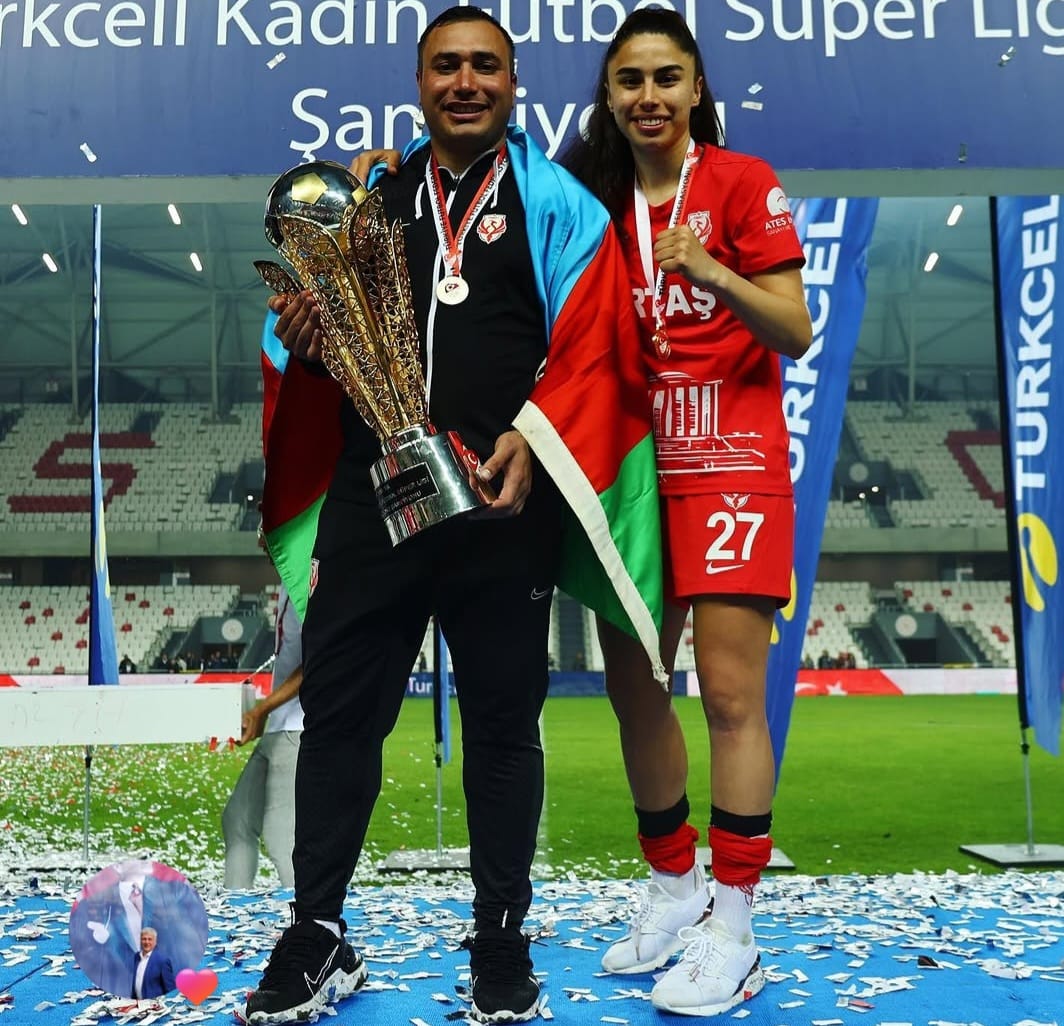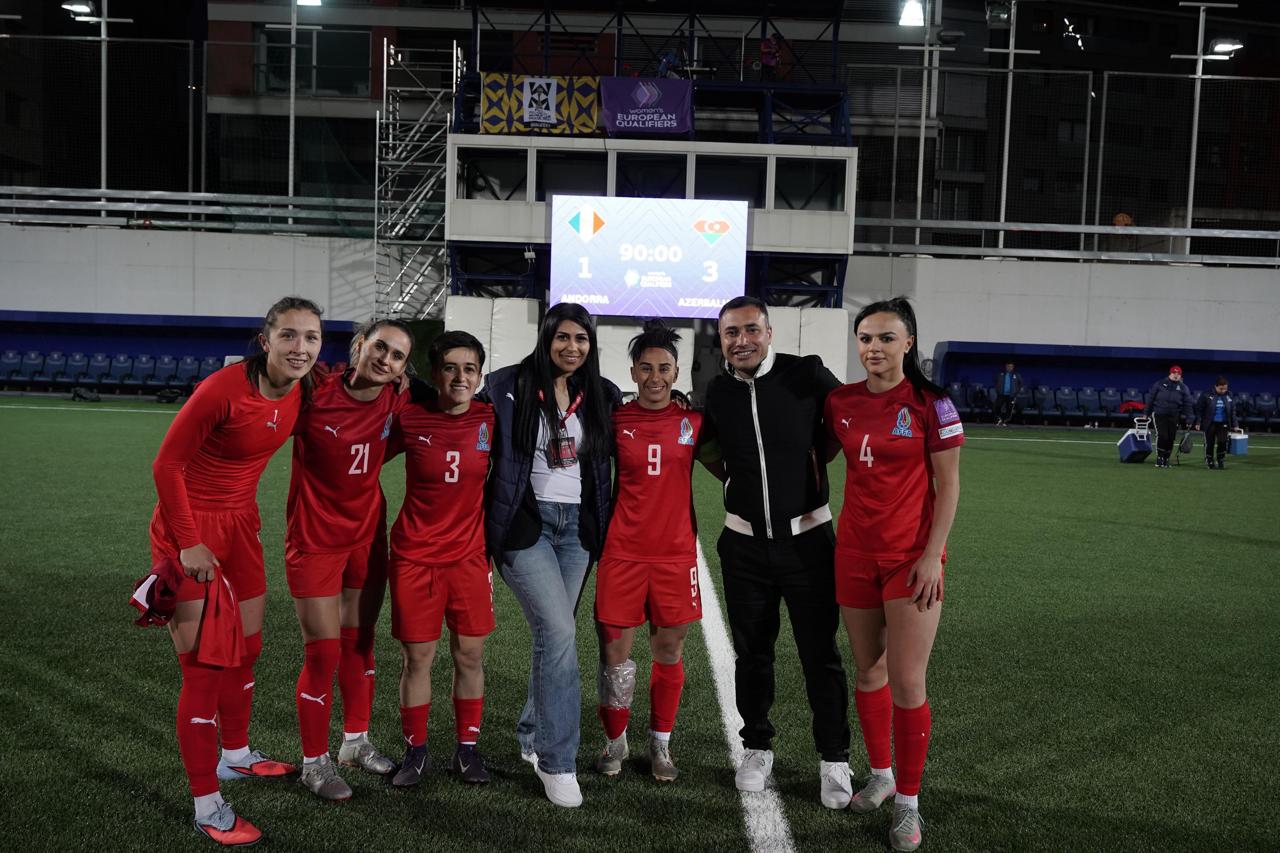
Futbol yalnızca bir spor değil, aynı zamanda güçlü bir toplumsal değişim aracıdır.
Siyasat Asgarov kimdir?
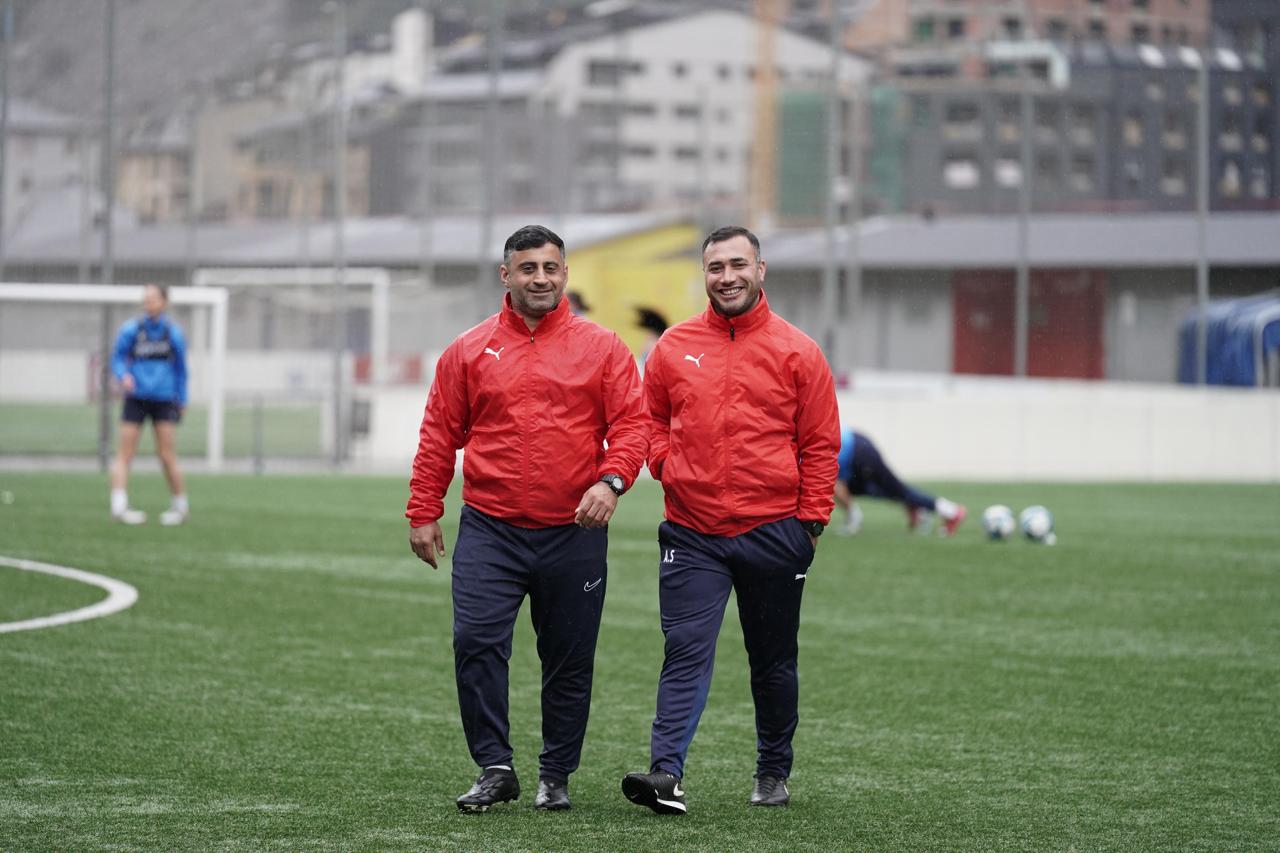
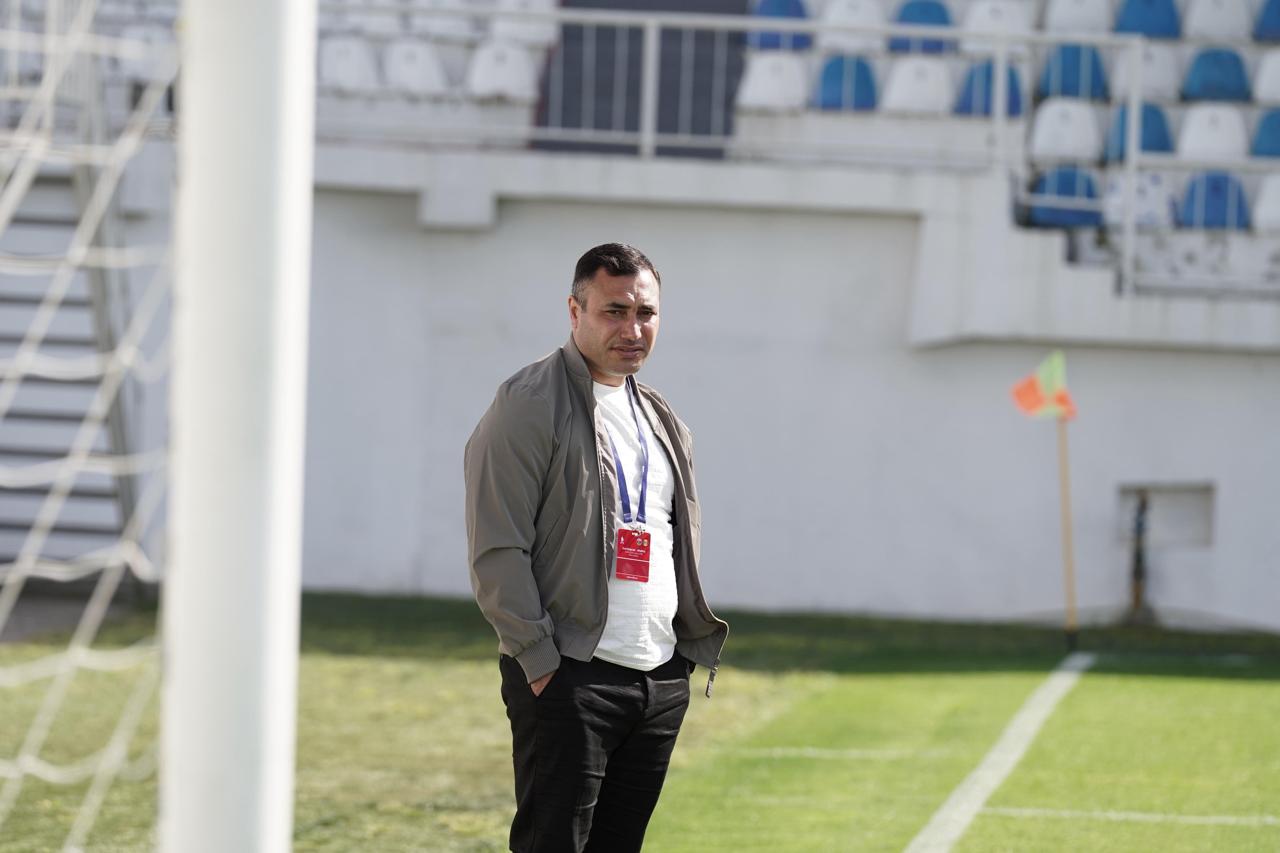
Siyasat Asgarov, kadın futbolunun gelişimine adanmış bir futbol profesyonelidir; hem Türkiye'de hem de Azerbaycan'da çeşitli projelere katkıda bulunmuştur. Kadın futbolunun yapısal gelişimi, oyuncu gelişimi, antrenör eğitimi ve uluslararası entegrasyon gibi alanlarda aktif rol almıştır. Kariyeri boyunca kısa vadeli başarıya odaklanmak yerine sürdürülebilir sistemler kurmayı önceliklendirmiştir. Elde ettiği şampiyonluklar ve uluslararası deneyim, futbol vizyonunu daha da güçlendirmiştir.
Kadın futbolundaki yolculuğunuz nasıl başladı ve yollarınız ülkemizle nasıl kesişti?
Benim için futbol yalnızca bir spor değil, aynı zamanda güçlü bir toplumsal değişim aracıdır. Kadın futboluna olan ilgim, futbolun toplum üzerindeki etkisini fark ettiğimde başladı. Kadınların sporda daha görünür olması, kendilerini ifade edebilmeleri ve profesyonel fırsatlara kavuşmaları fikri beni bu alana adanmaya motive etti.
Türkiye'de çalıştığım dönemde kadın futbolunun gelişim potansiyelini yakından gözlemleme fırsatım oldu. Daha sonra yolum Azerbaycan ile kesiştiğinde burada ciddi bir yetenek ve enerji seviyesi fark ettim. Azerbaycan'da kadın futbolu hâlâ gelişim aşamasında olsa da doğru planlama ve sürdürülebilir yatırımla önemli bir uluslararası düzeye ulaşabileceğine güçlü bir şekilde inanıyorum. Bu potansiyel, buradaki çalışmalarımın temel motivasyonlarından biri oldu.
Sizce Azerbaycan ve Türkiye'deki kadın futbolu arasındaki temel farklar nelerdir?
En büyük farklar yapı ve sürdürülebilirlikte yatıyor. Son yıllarda Türkiye'de kadın futbolu ciddi yatırım aldı. Büyük erkek futbol kulüplerinin kadın takımları kurmasıyla ligin görünürlüğü önemli ölçüde arttı. Medya ilgisi, sponsorluk desteği ve taraftar ilgisi kayda değer bir düzeye ulaştı; bu da oyuncu gelişimi için daha profesyonel bir ortam oluşturdu.
Azerbaycan'da ise temel zorluk, sistemin henüz tam olarak oturmamış olması. Tartışılmaz bir yetenek var, ancak bu yeteneği geliştirecek ekosistem hâlâ olgunlaşıyor. Gençlik ligleri, bölgesel akademiler, antrenör eğitim programları ve profesyonel kulüp sayısı henüz istenen düzeyde değil.
Bir diğer önemli fark toplumsal bakış açısı. Türkiye'de ailelerin kadın futboluna yaklaşımı son yıllarda önemli ölçüde değişti. Azerbaycan'da da benzer bir dönüşüm başladı, ancak belirli önyargılar hâlâ sürüyor. Bu algıları değiştirmek doğal olarak zaman alacaktır.
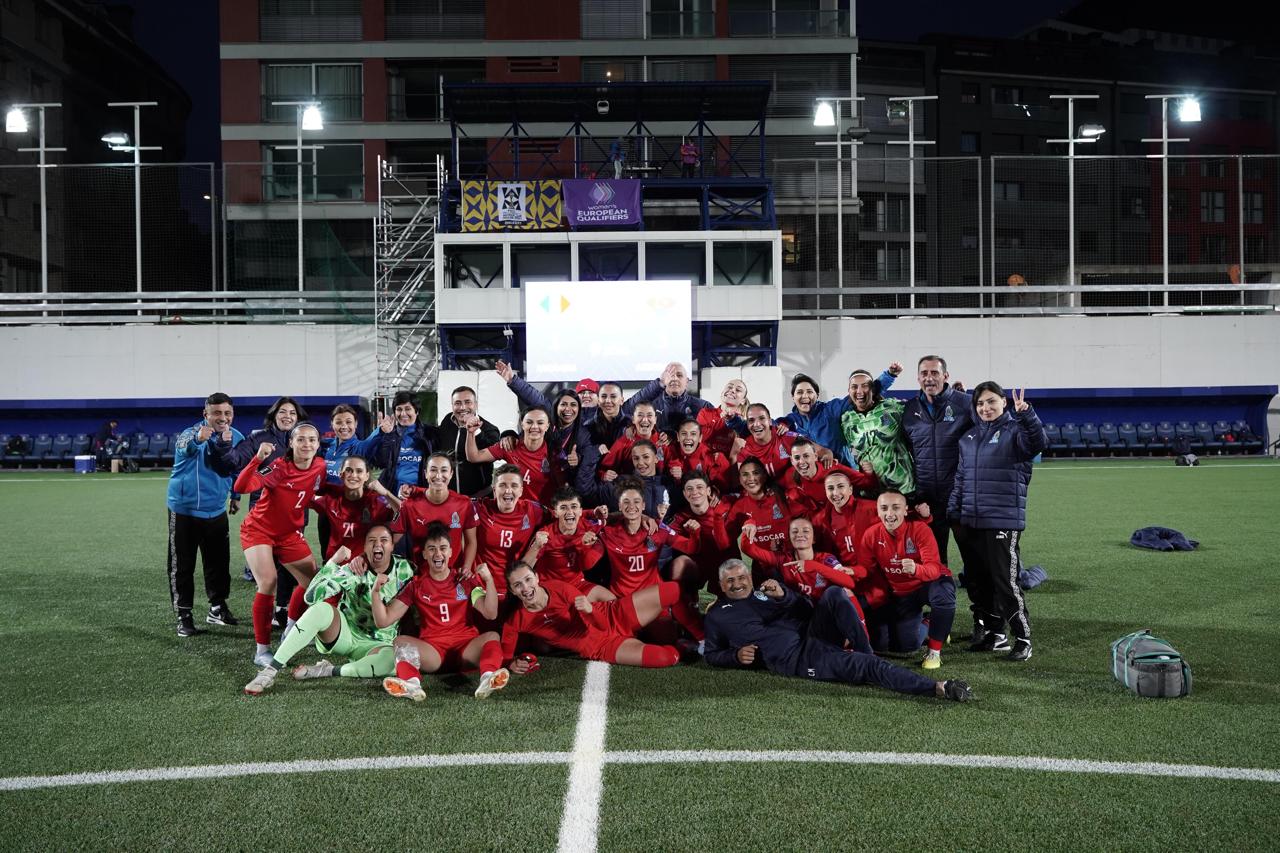
Azerbaycan'da kadın futbolunun karşılaştığı en büyük yapısal zorluk nedir?
En önemli sorun, gençlik gelişim sisteminin sınırlı kapsamı.
10-12 yaşlarından itibaren düzenli futbol eğitimi verilmezse, sonraki yıllarda millî takım düzeyinde rekabet etmek son derece zorlaşır. Bugünkü başarılar aslında yıllar önce kurulan sistemlerin sonucudur.
Bir diğer önemli konu, başkent dışındaki bölgelerde sınırlı futbol altyapısı. Futbol gelişimi yalnızca başkentte yoğunlaşmamalı. Bölgesel akademiler, okul ligleri ve kızlar için futbol organizasyonları ülke geneline yaygınlaştırılmalı.
- Profesyonel antrenör sayısı artırılmalı,
- Kulüp akademileri güçlendirilmeli,
- Liglerin rekabet gücü yükseltilmeli,
- Oyuncu takip ve scouting sistemleri daha da geliştirilmeli.
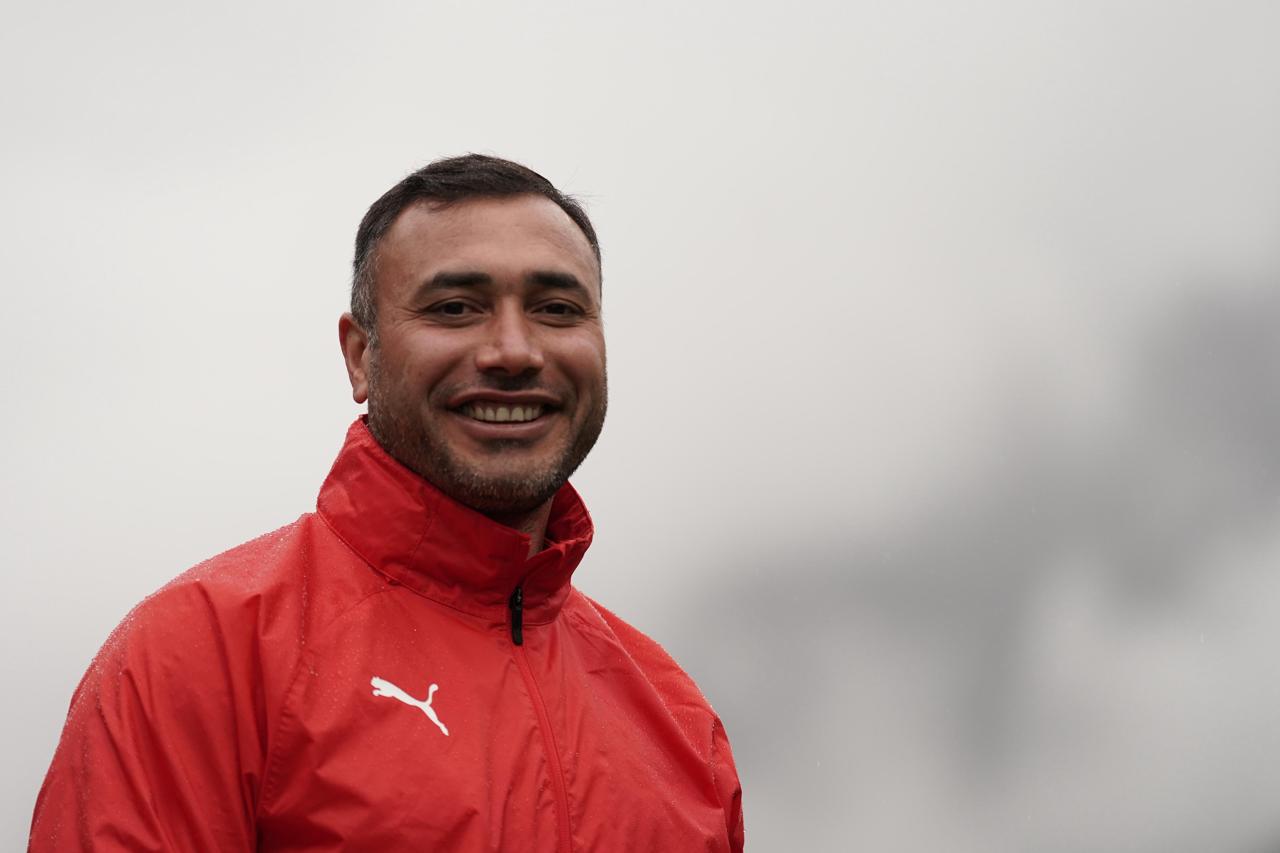
Göreve geldiğinizden bu yana Azerbaycan'da kadın futbolunda en somut değişim ne oldu?
Bence en önemli değişim genel bakış açısında yaşandı. İnsanlar kadın futboluna yalnızca bir sosyal proje olarak değil, profesyonel bir spor disiplini olarak bakmaya başladı.
- Lig organizasyonu daha sistematik hale geldi,
- Genç oyuncular için yeni gelişim programları başlatıldı,
- Uluslararası iş birlikleri güçlendirildi,
- Teknik kadro ve antrenör eğitimine daha fazla önem verildi,
- Kulüpler kadın futboluna artan bir ilgi gösterdi.
En önemlisi, genç kızlar futbolu gerçek bir kariyer fırsatı olarak görmeye başladı.
Azerbaycan'da kadın futbolunu bir tür "yumuşak güç" olarak görüyor musunuz? Kısa ve uzun vadeli hedefler nelerdir?
Bugün spor artık yalnızca bir rekabet alanı değil; ülkeleri uluslararası sahnede temsil eden önemli bir araç. Özellikle kadın futbolu, toplumsal gelişim, kadınların güçlenmesi ve modern bir toplum vizyonunun tanıtımı için son derece etkili bir platform.
Azerbaycan'ın da bu alanda uluslararası görünürlüğünü artırma potansiyeli büyük. Büyük turnuvalara ev sahipliği yapmak, UEFA ve FIFA projelerinde aktif rol almak ve millî takımların gelişimini desteklemek ülkenin spor diplomasisine katkı sağlayabilir.
Kısa vadeli hedefler:
- İç lig yapısının güçlendirilmesi,
- Genç oyuncu havuzunun genişletilmesi,
- Millî takımın rekabet gücünün artırılması,
- Antrenör ve hakem eğitim programlarının iyileştirilmesi.
Uzun vadeli hedefler:
- Avrupa düzeyinde rekabet edebilen bir millî takım kurmak,
- Güçlü kadın futbol akademileri oluşturmak,
- Avrupa kulüplerine transfer olan Azerbaycanlı oyuncu sayısını artırmak,
- Kadın futbolunu ülkenin önde gelen spor markalarından biri haline getirmek.
Kadın futbolunda birincil öncelik ne olmalı?
Altyapı mı, elit düzey rekabet mi?
Birincil öncelik gençlik gelişimi ve altyapı olmalı. Güçlü bir temel olmadan elit düzeyde sürdürülebilir başarı mümkün değil.
Her yıl sisteme sürekli yeni yetenekler kazandırılmazsa başarı tamamen tesadüfe kalır. Elit takımlar kısa vadeli sonuçlar verebilir, ancak uzun vadeli ilerleme okul futbolu, akademiler ve yaş kategorisi gelişim yapılarına bağlıdır.
Antrenör eğitimi mi, oyuncu gelişimi mi?
Bu iki unsur birbirinden ayrı düşünülemez. Nitelikli antrenörler olmadan kaliteli oyuncu yetiştirmek mümkün değildir.
Antrenör yalnızca taktik öğreten biri değildir; aynı zamanda bir lider, eğitmen ve mentor. Özellikle kadın futbolunda doğru iletişim ve sağlıklı bir gelişim modeli kritik önem taşır.
- UEFA lisanslı antrenör sayısı artırılmalı,
- Kadın antrenörlerin gelişimi desteklenmeli,
- Modern futbol metodolojileri uygulanmalı.
İç lig mi, oyuncu ihracı mı?
Her şeyden önce güçlü bir iç lig kurulmalı; çünkü sağlam bir lig yapısı olmadan kaliteli oyuncu geliştirmek zor.
Ancak oyuncu ihracı da son derece önemli. Avrupa'da oynayan futbolcular:
- Daha yüksek tempoda rekabet deneyimi kazanır,
- Profesyonel gelişim fırsatları elde eder,
- Millî takıma geri getirebilecekleri değerli deneyimler biriktirir.
İdeal model, iç ligin oyuncuları geliştirdiği ve belirli bir seviyeye ulaşanların kariyerlerine Avrupa futbolunda devam ettiği bir yapıdır.
Türkiye'deki "Kristal Ayaklar Kadın Futbol Ödül Töreni" hakkındaki düşünceleriniz nelerdir?
Bu tür organizasyonlar kadın futbolunun görünürlüğünü artırmak için son derece değerlidir. Futbolcular yalnızca sahada değil, toplum içinde de takdir edilmeyi hak eder.
"Kristal Ayaklar" Ödülleri gibi törenler:
- Oyuncuların motivasyonunu artırır,
- Genç kızlara ilham verir,
- Kadın futboluna daha fazla medya ilgisi çeker,
- Toplumsal algıların değişmesine katkı sağlar.
En önemlisi, kadın futbolunun yalnızca bir spor disiplini değil, aynı zamanda bir kültürel değer olarak tanınmasını destekler. Bu tür organizasyonların sürekliliği, kadın futbolunun gelecekteki gelişimi için büyük önem taşır.