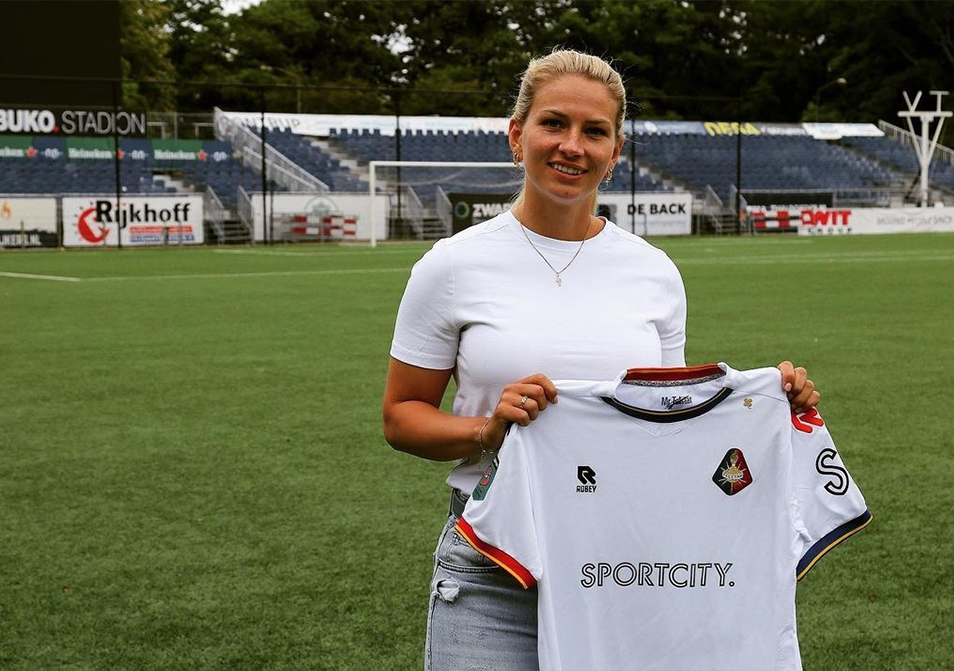
Hello, Miss Wolters. Could you tell us a little about yourself?
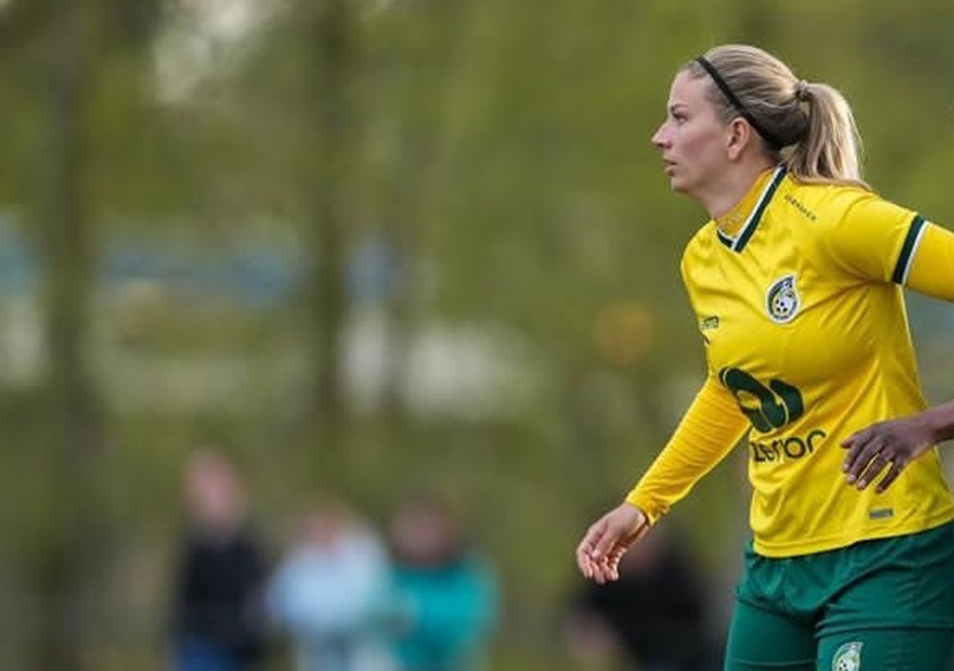
I am Caroliena Wolters, a Dutch Professional Football Player. I've had a very exciting journey in my football career. I was born in Maastricht on July 30, 1996. I left school before finishing my HBO degree because football came naturally to me. I started my career in 2014 at Fortuna Sittard, a club in the Netherlands. However, my path led me to Standard Luik in 2015 where I continued to develop my skills as a player. It was a great experience and I valued my time there. But as they say, home is where the heart is and in early 2019 I decided to return to the Netherlands. I joined Achilles '29, a club competing in women's football in the Dutch Eredivisie. Unfortunately, it was a bittersweet moment as the club stopped continuing women's football at the end of that season.
The 2019-2020 season brought new opportunities and I grabbed them by joining KRC Genk in the Belgian Super League. It was a great challenge and I enjoyed every moment playing with the team. In Summer 2021, I made another move, this time to Allemania Aachen in Germany, where I competed in the Regionalliga West. I have always seen these as a chance to expand my horizons and experience a different football culture. But sometimes life comes full circle. For the 2022-2023 season, Fortuna Sittard made the remarkable decision to join the Eredivisie Vrouwen, the top tier of women's football in the Netherlands. I could not resist the call of my old club and returned to Fortuna Sittard. It felt like coming home and I was delighted to sign a contract until mid-2023. Now I will remain in the competition with the “White Lions” for the 2023-2024 season.
As a football player, I am always looking for new challenges and opportunities to grow and succeed in my game. I have had the privilege of playing in different countries and leagues and gained invaluable experience along the way. My love for sports and the support of my fans and teammates keeps me going. I'm excited to see what the future holds for me in football. Football was my passion, I am grateful for every moment I stepped on the field and played the game I loved.
How much importance is given to girls' football teams in the schools in the countries you have played in so far and are there any girls' school league tournaments?
The importance given to girls' football teams in schools varies from country to country and depends on cultural attitudes towards women's sports and football. Having played in different leagues (and countries) I can see a clear difference. In many countries, there has been an increasing focus on promoting and supporting girls' football in schools. Efforts are being made to provide equal opportunities for girls to participate in sports and to encourage their participation in football.
Girls' school league tournaments are often held in countries where there is significant interest and support for women's football. These tournaments provide girls with the opportunity to compete at the school level, showcase their skills and promote healthy competition between different educational institutions. Organizing such tournaments also helps identify talented players who can go on to represent regional or national teams in the future. When I started in the Netherlands, I didn't see many girls playing on their own or in school league tournaments. My time in Germany showed me a completely different perspective on the subject. Overall, the importance given to girls' football in schools is increasing in many places as greater awareness is raised about gender equality in sport and the benefits of participation in team sports for both physical and personal development.
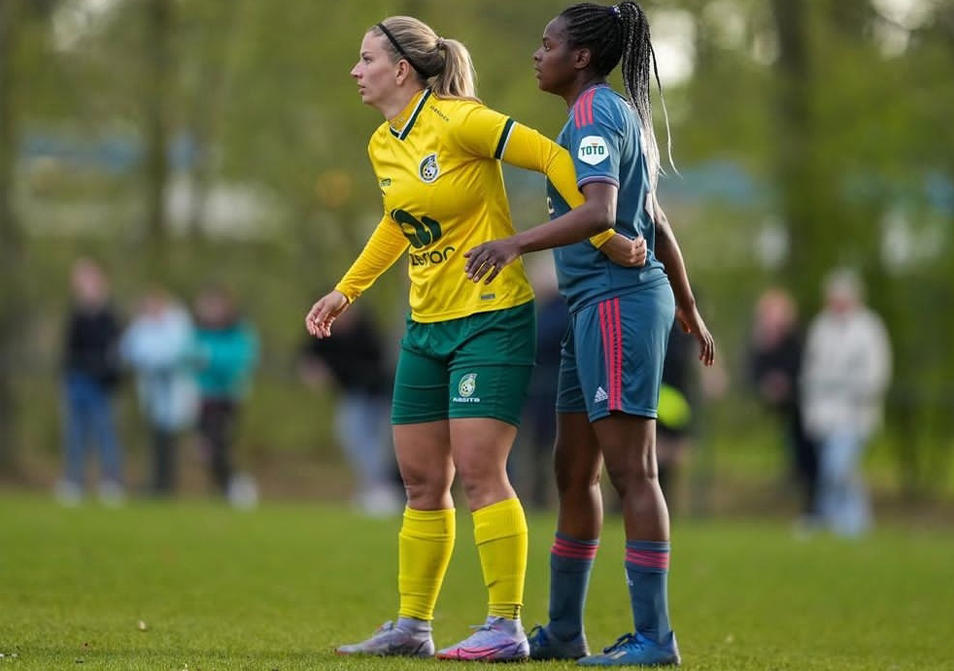
How much importance is given to the women's football infrastructure in the countries you have played so far and at what age do development leagues for young children start?
Germany: Women's football is increasingly important in Germany and there is a strong emphasis on developing young talent. The country has invested in infrastructure and support systems for women's football. Developmental leagues for toddlers typically begin at a very young age, usually between ages 5 and 7. The focus is on grassroots development, providing opportunities for girls to get involved in football early and develop their skills in a nurturing environment.
Belgium: Women's football is gaining momentum in Belgium, there is increasing interest and investments. The country is actively working to improve the infrastructure and support of women's football. Developmental leagues for young children in Belgium usually start between the ages of 6 and 8. Like Germany, there is a focus on grassroots development to ensure girls have access to organized football programs from a young age.
Netherlands: The Netherlands has a strong tradition of women's football and has made significant strides in recent years. The country attaches great importance to women's football infrastructure. Developmental leagues for toddlers usually start between ages 5 and 7. The Dutch approach emphasizes early exposure to the sport and ensuring that girls have the same opportunities as boys to participate in organized football programmes.
Overall, it is encouraging to see countries such as Germany, Belgium and the Netherlands placing greater emphasis on women's football infrastructure and focusing on grassroots development at a younger age. This investment in nurturing young talent bodes well for the future of women's football in these regions and helps develop a more inclusive and diverse football environment.
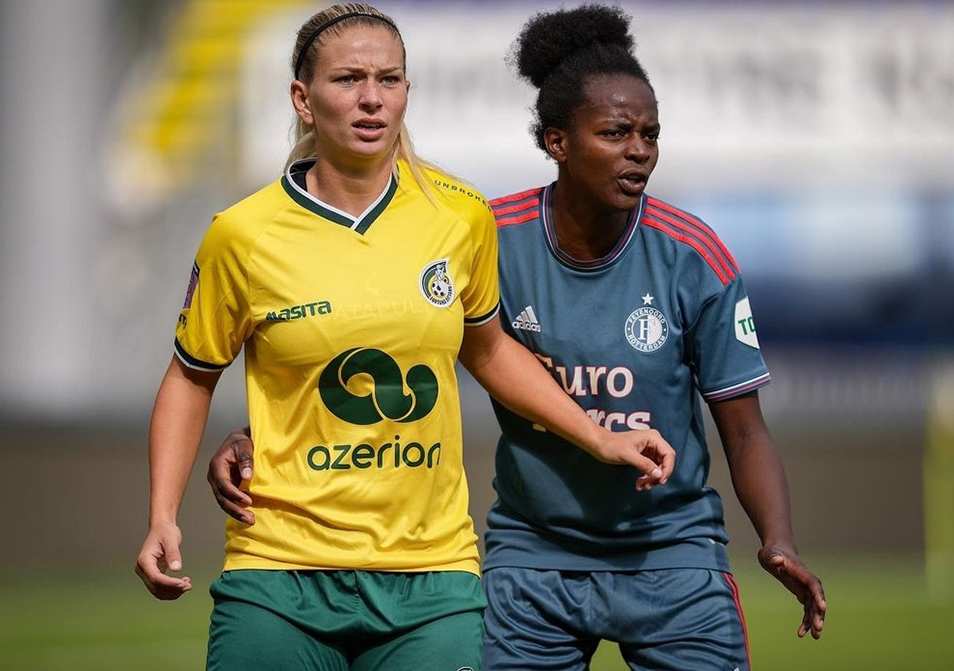
Can you describe your team's weekly training plan in detail?
We start with a meeting about next weekend's game. From now on, we train twice on Monday. We have gym on Tuesday and some time for ourselves on Wednesday. After this, we have a technical meeting about our upcoming match. We have match 1 training on Thursday and we have the weekend off.
Besides team training, do you give yourself extra training to achieve your highest goals?
Personalized Skill Development: I focus on improving specific skills such as shooting, dribbling, passing or tackling. I practiced developing these skills in my own time.
Physical Conditioning: Extra training may include specialized fitness sessions to build strength, speed, agility and endurance. This can be crucial to maintaining peak physical condition and reducing the risk of injury.
Video Analysis: I often review footage of my past performances or study professional players to gain insight into tactics, positioning and decision-making. Video analysis helps identify areas for improvement.
Mental Training: Mental conditioning is essential for athletes to improve focus, concentration and confidence. Techniques like visualization and meditation are part of my extra training routine.
Nutrition and Recovery: Maintaining a proper diet and recovery routine is vital to a football player's overall well-being and performance. I personally work with nutritionists or sports psychologists to optimize my results.
Cross Training: I incorporate other sports or physical activities into my routine to build overall athleticism and prevent burnout. This mostly involves pedaling.
The combination of team training and extra individual training is often what separates good athletes from exceptional ones. Dedication, hard work and willingness to go the extra mile contribute significantly to achieving the highest goals in sports.
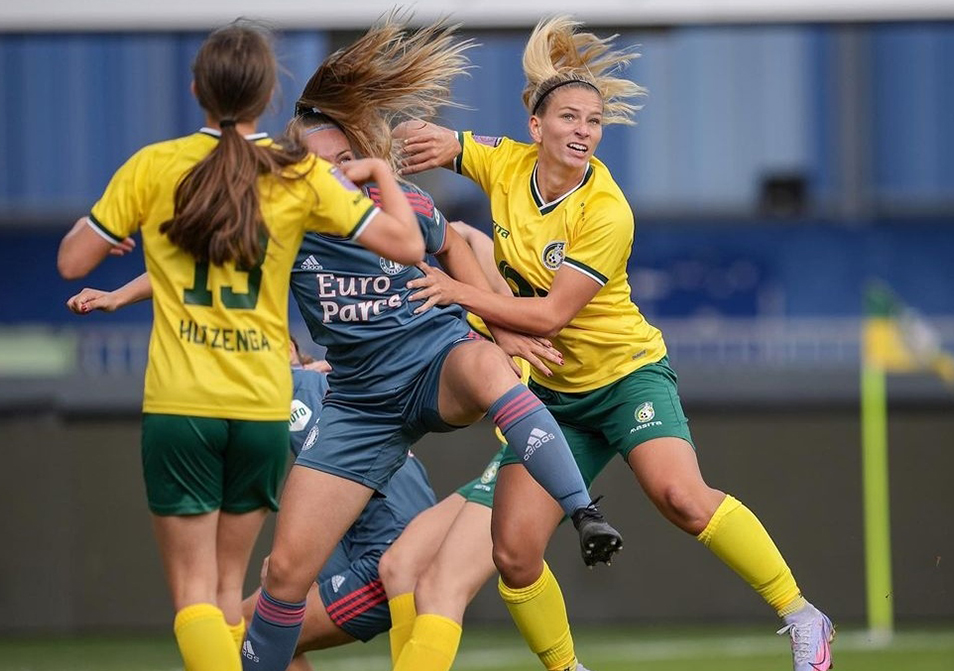
What position do you play during the match and what skills do you use to take advantage of challenges in that position?
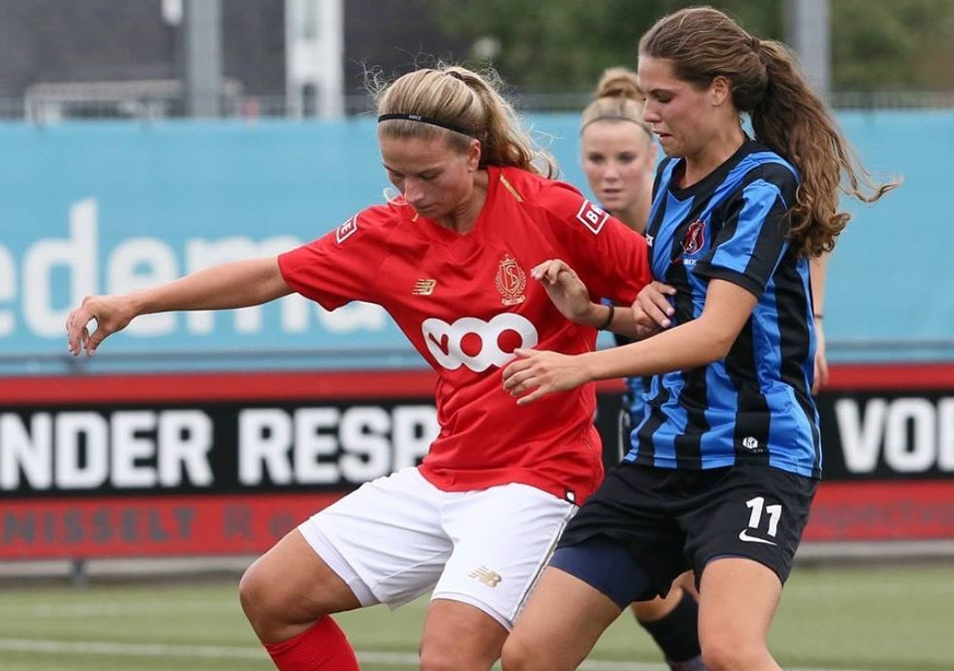
I play as a striker throughout the match. My primary role as a striker is to score goals and create scoring opportunities for my team. It is an exciting and challenging position, requiring specific skills and qualifications to benefit from the challenges that come with it. One of the main skills I use as a striker is my goal-scoring instinct. I have a keen eye for finding space in the opposition's defense and positioning myself to receive a pass or run in behind the opposition defence. Being in the right place at the right time allows me to take advantage of scoring chances and turn them into goals. Speed and agility are also very important features for a striker. I use my speed to get past the opponent's defense, run towards the goal and pass through balls quickly. My agility helps me change direction quickly, allowing me to evade opposing defenses and find openings in crowded areas. Another skill that comes in handy as a striker is my ability to keep the ball and bring my teammates into the game. This involves using my body strength to protect the ball from the opposition defence, allowing my teammates to move forward and join the attack. Good ball control and passing skills are essential for this aspect of my game.
As a striker, I constantly analyze the opponent's defense and look for weaknesses to exploit. This involves identifying gaps between the opposition defence, reading their movements and anticipating their actions. This tactical awareness allows me to make clever runs and take advantage of mistakes made by the opponent. Additionally, mental strength and composure are vital qualities for a striker. The position often involves high-pressure situations and staying calm in front of goal is crucial to finishing scoring opportunities effectively. After all, being a successful striker requires a combination of technical skills, physical attributes, tactical awareness and mental ability. By using these skills and adapting to the challenges brought by the opponent, I aim to make significant contributions to the success of my team and reach my highest potential as a striker.
How do you stay motivated as match day approaches?
As match day approaches, I find various ways of motivating myself to adapt and be ready to do my best on the pitch:
Visualizing Success: I spend time visualizing success in the upcoming match. I dream of scoring goals, making important passes and contributing positively to the team's performance. This mental visualization helps boost my confidence and sets a positive tone for game day.
Reflecting on Past Achievements: I look back at my previous accomplishments and unforgettable moments on the field. Remembering the times I performed well and helped my team win gives me a sense of pride and a desire to repeat those successes.
Team Spirit: Being part of a team is incredibly motivating. The camaraderie with my teammates and the common goal of winning as a group inspires me to give my all throughout the match. I know that my performance affects the overall success of the team and this responsibility increases my motivation.
Can you explain in detail the value and deficiencies given to women's football in your country?
In my country, women's football has been gaining increasing value and recognition in recent years. There has been a notable focus on infrastructure development, providing better training facilities, coaching and equipment to female players. The sport is also receiving more media coverage, expanding its visibility and inspiring young girls to get involved in football. The establishment of women's leagues and competitions demonstrates a commitment to fostering a competitive environment for female players, enabling them to grow and showcase their talents on a wider stage.
However, some shortcomings remain. Women's football still faces a significant wage gap compared to men's football, which prevents it from becoming professional. Moreover, attracting sponsorship and investment remains a challenge, limiting financial support for women's teams and leagues. Media coverage, although improving, can be inconsistent, and youth development programs need greater attention to provide structured pathways for aspiring female actors. Cultural barriers and outdated perceptions also continue to create challenges for women in football. Addressing these issues requires the joint efforts of football authorities, clubs, sponsors, media and fans. Working together, we can overcome these shortcomings and continue to elevate the value of women's football, creating a more inclusive and fair sporting environment for all.
How much do female football players in your country earn on average, depending on the league they play in?
In my country, the average earnings of female football players may vary depending on the league they play in and the club they represent. It is difficult to say an exact figure as salaries can vary significantly depending on factors such as the club's financial resources, sponsorship deals and overall investment in women's football.
In some cases, female football players in top-tier leagues can earn more significant salaries than in lower-tier leagues due to the increased visibility and financial support of these competitions. Similarly, clubs with higher budgets and a strong commitment to women's football may be able to offer players more attractive contracts.
Based on my experience, while I was with Fortuna, I had the privilege of being offered a contract that was good enough to allow me to focus solely on playing football. The club's commitment to women's football and their investment in the team has allowed players like me to make a living playing the sport we love. Overall, the women's football salary landscape is improving and efforts are being made to close the pay gap between male and female players. While some clubs are able to secure lucrative contracts, progress is still being made in providing fairer compensation for female footballers at all levels of the game.
In what ways do female footballers experience injustice compared to male footballers in your country?
In my country, female football players often face various injustices compared to their male counterparts. A key issue is the gender pay gap, where female players typically earn significantly less than male players in similar positions and at similar skill levels. This disparity persists despite the dedication and hard work female athletes put into the sport.
Another area of concern is the difference in opportunities and resources. Female football players may have limited access to high-quality training facilities, coaching staff and support systems compared to male players. This could hinder their development and competitiveness on the international stage.
Furthermore, media coverage and visibility of women's football often lags behind that of men's football, leading to fewer opportunities for female players to gain exposure and recognition. This disparity in coverage can perpetuate inequality by affecting sponsorship deals and financial support for women's football. Addressing these injustices requires the collective efforts of football authorities, clubs, sponsors and society as a whole to promote gender equality and fair treatment of female football players. It is essential to recognize the talent and commitment of women in football and provide them with equal opportunities, resources and respect as their male counterparts.
Do you follow Turkish women's football? Are there any women football players whose football you like in Türkiye?
Not really, my best friend plays for ALG Sports, so I watch his matches if possible.
What is your highest goal in football?
I want to find myself in Spain or Italy. Playing and scoring goals in the Champions League is my ultimate goal.